
In my interview with Krystina Attard, I was able to discover through narrative practice, elements of her story and journey of working as a travel content creator that correlated with my workplace values, through discussing her process and listening to her anecdotes I realised key theories that informed the quality and efficiency of her work. Since Krystina and I are good friends, I decided to take a relaxed approach to the interview, I sent her the questions prior and some of the questions intimidated her, therefore, I reframed them in a way that was easier to interpret in her position, which in turn allowed for some great answers I could analyse in my narrative practice.
Krystina delved into how they started their travel Instagram as a hobby while travelling Australia, she noted they started to improve when they received positive reinforcement from friends and companies wanting to work with them. These values are related to Michael White’s idea of the ‘club of life’(Carey and Russell, 2002). Archbishop Desmond Tutu describes that “people become people through other people”, Krystina and her boyfriend Liam have gotten to where they are today by being motivated by those they regard highly in their ‘club of life’ (Carey and Russell, 2002). For them, that is the brands they admire, their friends and the recognition of their professional role models. This notion was what I related to the most when speaking with Krystina, those in my ‘club of life’ who I regard highly, particularly in my field of work (making films), who are the main motivational pulls to improve my quality of content. Those people work “as a personal team” by accepting their “experiences” of myself, I can acknowledge and accept them myself (Carey and Russell, 2002). My ‘personal team’ comes from the acknowledgement of my tutors and my friends who feature in my videos (Carey and Russell, 2002). I want to impress my tutors while also making content for my friends that they will enjoy and have positive reactions to. I value having those high members in my ‘club of life’ to impress, they work as a great source of motivation in improving my quality of work, by giving me that outward validation it reaffirms my self-confidence in my creative ability, similar to Krystina (Carey and Russell, 2002).
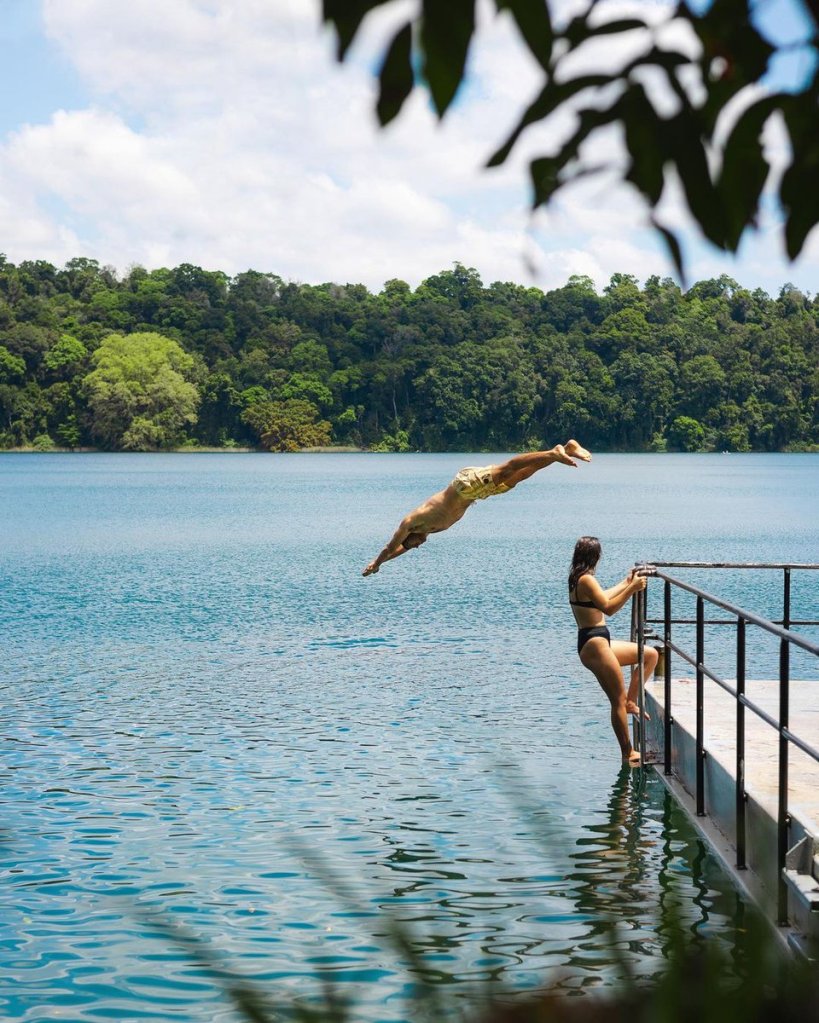
When presenting to the class I was asked some interesting questions regarding Krystina and her work. I was asked whether Krystina and Liam were going to branch out and do something like a podcast, to which I replied that their content was not personality based but more aesthetically centred. They’re following on social media came from their talent with a camera and creative vision rather than their charisma. Another question asked was whether they were creative people and having known them both my whole life I would say no, however they have become creative together in discovering their combined interest in capturing their memories. Reflecting on this idea, I think collaboration, where you have similar visions, is exciting and encouraging when producing content. I’ve experienced this the most during this semester. I’ve learnt collaborating can foster more creativity as it allows for new perspectives and growth. Gergen states, “our relationships create ourselves rather than ourselves create relationships”, being able to grow creativity through collaboration is important, I value combining everyone’s strengths and perspectives to make something better than what I could do alone (Carey and Russell, 2002).
Overall, my experience of narrative practice with Krystina was insightful to how I value the quality of my work and the value I place in the opinions of my high ‘club of life members. It was also interesting to delve into her process as it’s something we haven’t had the chance to talk about in depth before (Carey and Russell, 2002). Preparing and presenting this presentation has helped me inform and be conscious of my workplace values leading into my future work.

Reference List
Carey, M & Russell, 2002, ‘Re-membering: Responding to Commonly Asked Questions’, International journal of narrative therapy and community work, vol. 2002, no. 3, pp. 23–31.
 Hallie Rutter
Leave a comment