BCM289 Blog Post #3

In this week’s tutorial, we all put forward some themes that came to mind when we thought of “Australian Cinema”. Some answers included outback, dry country, wildlife, bogans, all relating to a stereotype of Australian culture dressed in crocodile skin with a big knife in hand. These Australian stories we see so often in Australian cinema are a result of the requirements of producing a film that speaks to “a framework of cultural nationalism” to obtain government funding (Hammett-Jamart, n.d.). As the Film Finance Corporation (FFC) outlines Australian filmmakers must produce pitches that “strengthen cultural identity” through “(1) supporting a highly professional and creative screen production industry; (2) entertaining and informing Australian audiences with a diversity of screen images; and (3) showcasing Australia’s screen production industry to the world” (McKenzie &Walls, 2013 p. 249).
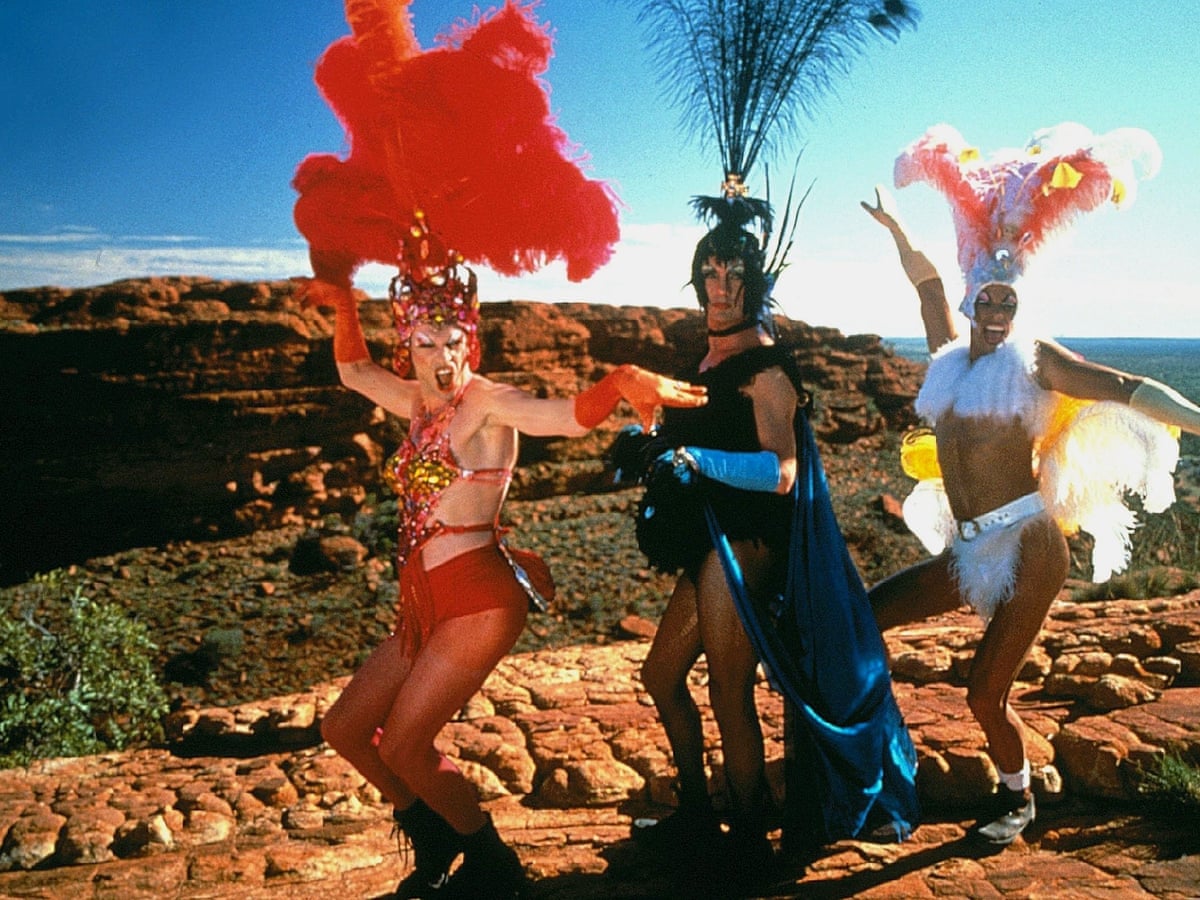
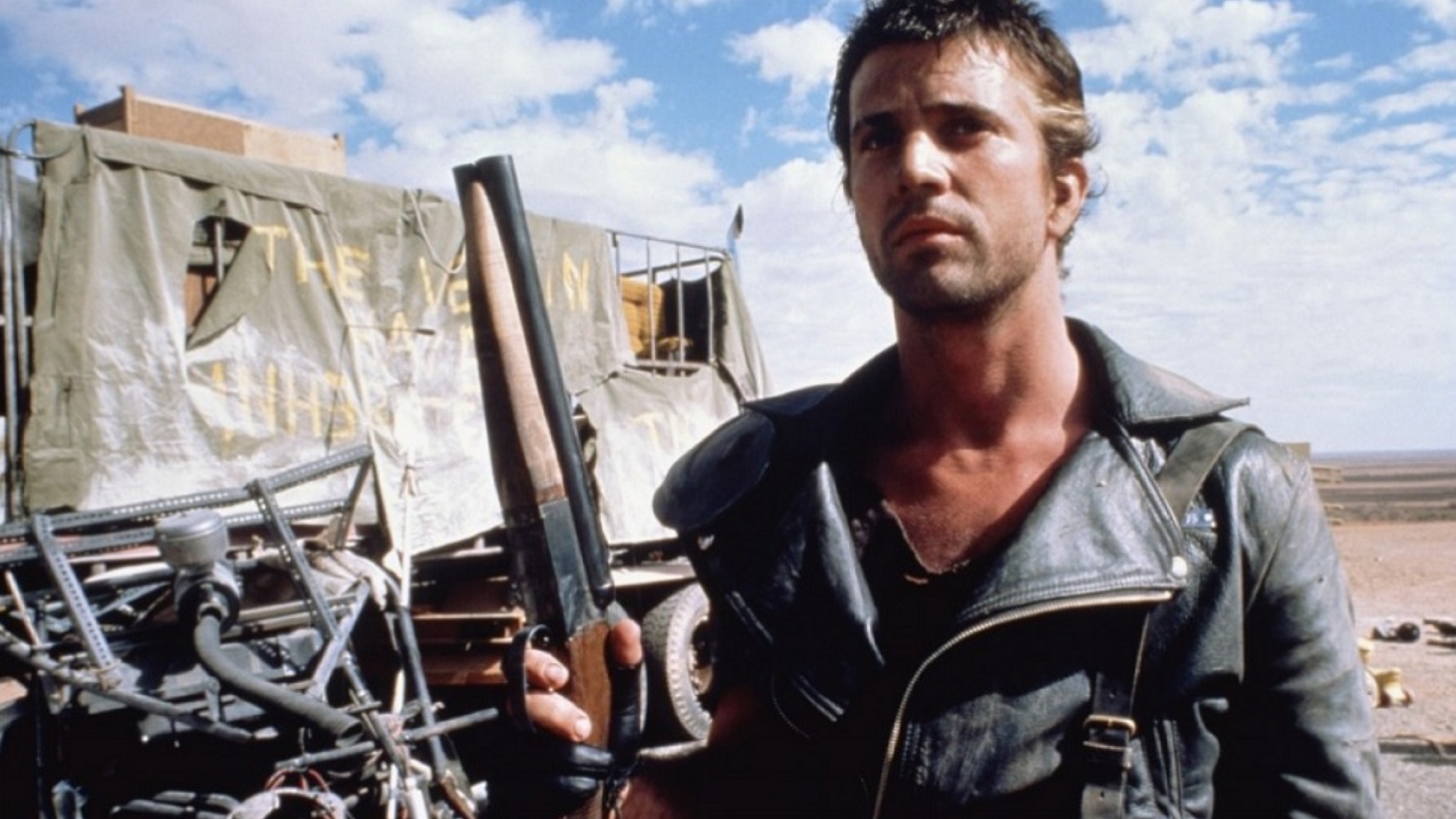
Because the Australian film industry isn’t as successful as the US or Korean industries, filmmakers rely on the support of government funding to produce films, thus the government has an integral role in what films get produced and distributed. However, though it has a large role in the films made, it does not determine the quality of the film that gets made. There are several Australian made films that were funded independently that were hugely successful, locally and globally, that didn’t have to actively adhere to a cultural policy. Iconic Australian films, The Adventures of Priscilla, Queen of the Desert (1994), Wolf Creek (2005), Mad Max (1979) and The Sapphires (2010), just to name a few, were all independently funded and produced. The pressure of conveying cultural nationalism in Australian films seems unnecessary, if global success is to be achieved, the storytelling of Australian filmmakers shouldn’t be confined by this structure in order for federal funding. The independent films I’ve listed still manage to portray a sense of Australian identity without it being at the forefront of the narrative. This is not to say, Australian films that are government funded cannot achieve this, but that the pressure of presenting cultural identity when attaining government funding for a film is unnecessary as it does not determine the success or quality of an Australian film.
Attempting to insert an already ambiguous culture into a film does nothing for the Australian film industry, if government funding were concentrated more into the creative sectors of education, (one of the reasons for the success of the Korean Wave (hallyu) ) there would be more professionals in the film industry making more successful films, thus boosting the popularity of Australian film globally. A focus on real people’s stories rather than culture specific stories could ultimately lead to a relatability that is popular overseas as well, this is where the downfall of the government’s role in the film industry lies, and I would argue the government’s support of creative industries needs to be rethought for the current creative climate.

Reference List
Hammett-Jamart, J n.d. ‘Trade in National Cinema: Australian film policy implementation on French-Australian official co-productions 1986-2006 (Volume I and II)’.
McKenzie, J & Walls, WD 2013, ‘Australian films at the Australian box office: performance, distribution, and subsidies’, Journal of cultural economics, vol. 37, no. 2, pp. 247–269.
 Hallie Rutter
Leave a comment