
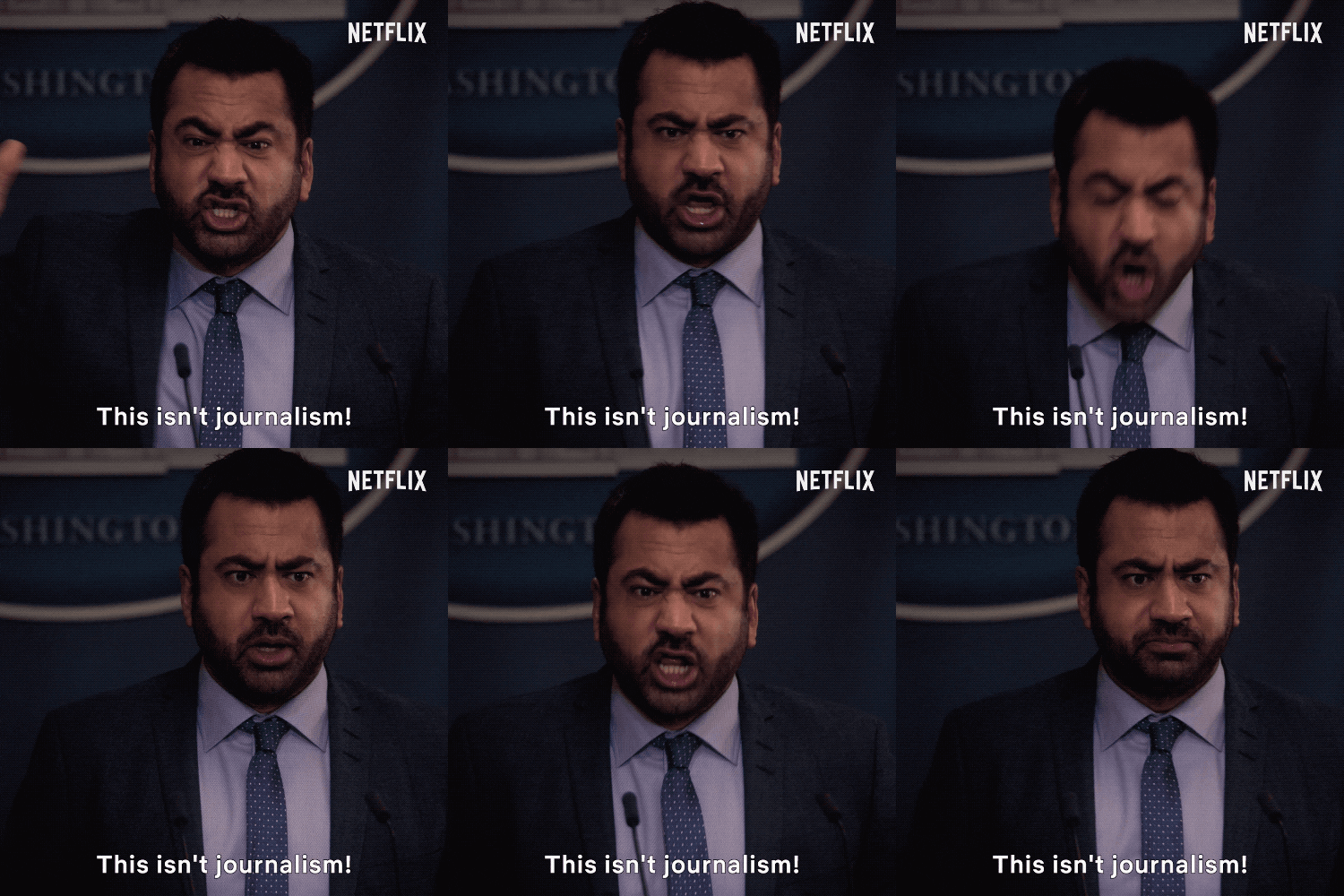
Citizen journalism through social media has both good and bad aspects, in terms of a source of information citizen journalism can propel falsehoods in the media that could lead to false arrests as was the case with the Boston Bombings. Citizen journalists also do not endure the same ethical training as traditional media journalists, thus the information shared often has bias from the individual’s perspective of the event (Jurrat, 2011). The large scale of social media accounts globally creates a worry over too much content being shared making it hard to distinguish the true from the false.
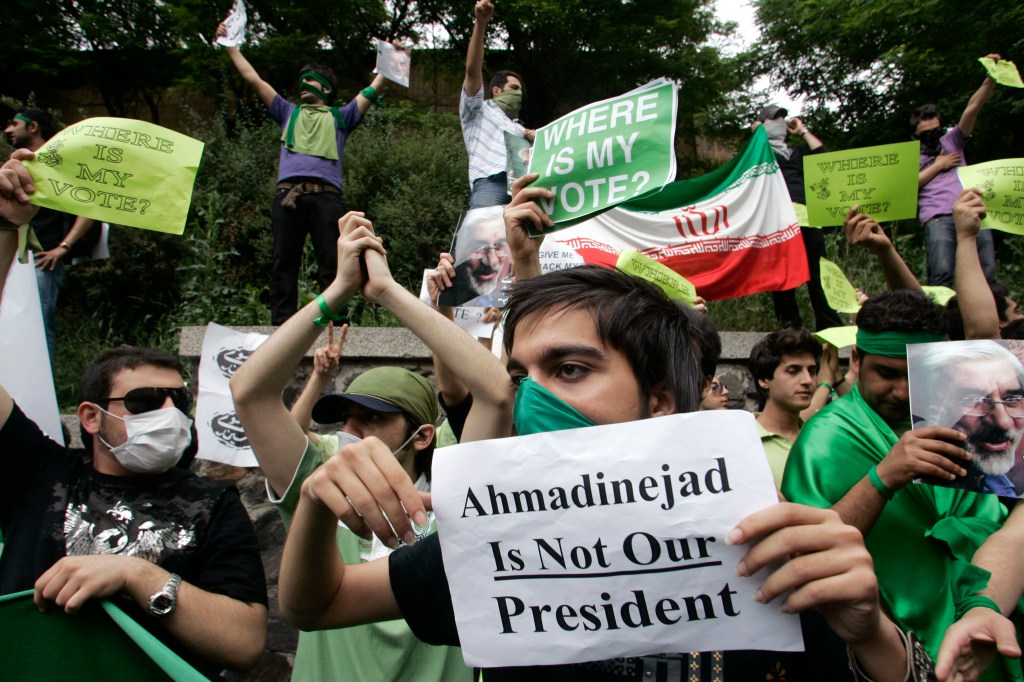
However, in countries where the media is highly mediated by the government, citizen journalism can be vital in sharing truth of situations and receiving recognition of atrocities from outward sources, such was the case during the 2009 Iranian election. The Iran election demonstrated one of the first acts of citizen journalism through social media, due to the Iranian government putting restraints on journalists and stopping reporting of the atrocities, the public took to social media sites to get international attention. The reports were shared through mainly Twitter and gained the most traction when a YouTube video of an Iranian protestor being shot and killed by the authorities went viral (Ali & Fahmy, 2013). The video was picked up by large media companies in the US like CNN and ABC, that elicited a response from President Barack Obama (Ali & Fahmy, 2013). In a country where the media is controlled by the government, citizen journalism through social media is beneficial for bringing awareness to the mass media about issues of the public interest and expose atrocities that traditional media may not have exposure to. In this context citizen journalism sustains democracy under a repressive government and is helpful in bringing recognition to atrocities therefore, urging influential political leaders to speak on issue (Edirisinge, et al., 2011).
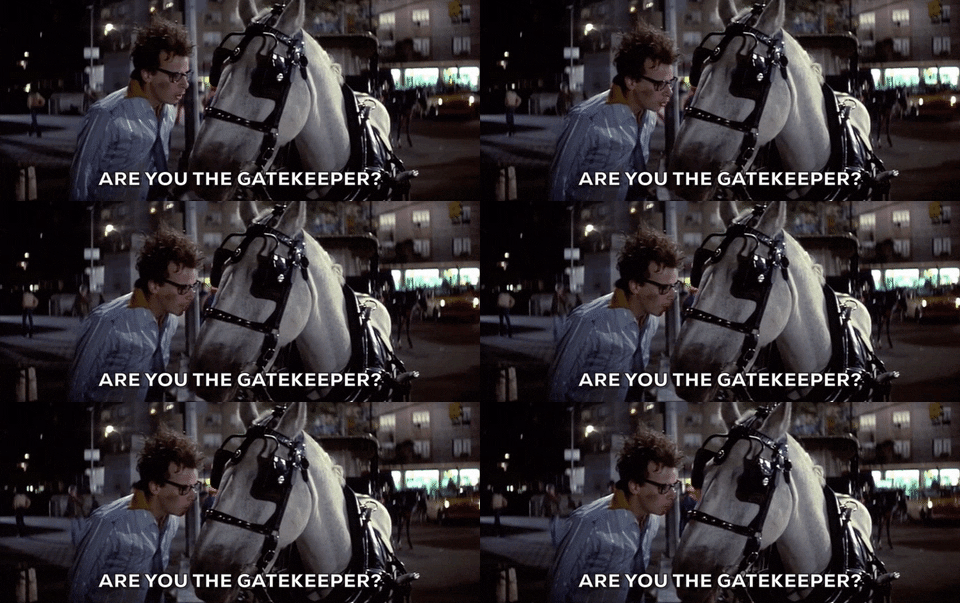
Though it can be beneficial, citizen journalism is a product of the gatekeeping practices of traditional media organisations. Though social media has given everyone a platform to publish information false or not, traditional media still maintains relevant by officiating the news through official sources (Ali & Fahmy, 2013). Traditional media organisations have the ability to sort through the content of citizen journalism and select the stories that adhere to their narrative or agenda. Though citizen journalism can be helpful in oppressive authoritative situations, in other circumstances it disseminates a mass influx of information that may or may not be true. The gatekeeping practices of traditional media ensure that citizen journalism will not overtake legacy media, as citizen journalism lacks the resources and ability to officiate information that is central to public trust in news sources. Citizen journalism, particularly in the West, works to compliment traditional media and is not a replacement though it can be a necessity in giving a voice to the oppressed and sustaining the function of democracy (Jurrat, 2011).
Reference List
Ali, S. R. & Fahmy, S., 2013. Gatekeeping and citizen journalism: The use of social media during the recent uprisings in Iran, Egypt, and Libya. Media, War & Conflict., 6(1), p. 55.
Edirisinge, C., Nakatsu, R., Widodo, J. & Cheok, A. D., 2011. Conceptualizing Third Space in Networked Social Media. 2011 Second International Conference on Culture and Computing, pp. 123-124.
Jurrat, N., 2011. Mapping Digital Media: Citizen Journalism and The Internet. [Online]
Available at: https://d1wqtxts1xzle7.cloudfront.net/44266932/Citizen_journalism_and_the_internet.pdf?1459446386=&response-content-disposition=inline%3B+filename%3DCITIZEN_JOURNALISM_AND_THE_INTERNET_MAPP.pdf&Expires=1599366713&Signature=VLOwFC~LSqnzKsaUXtHY8l-Vh3UmswR8
[Accessed 4 September 2020].
 Hallie Rutter
Leave a comment